Post-workout recovery is where real progress happens. Whether you lift weights, run, cycle, box, train at the gym, or follow high-intensity workouts, your muscles need the right attention to repair, rebuild, and come back stronger. That’s where a massage gun becomes one of the most effective recovery tools you can own.
A good massage gun speeds up recovery, reduces soreness, improves mobility, and helps you train harder with less downtime. But not all massage guns are equal — and choosing the right one can make a massive difference in how well your body bounces back. This guide breaks down exactly what to look for, the benefits, how to use one properly, and the best types of massage guns for post-workout recovery in 2025.
Click here to check out the best choices…
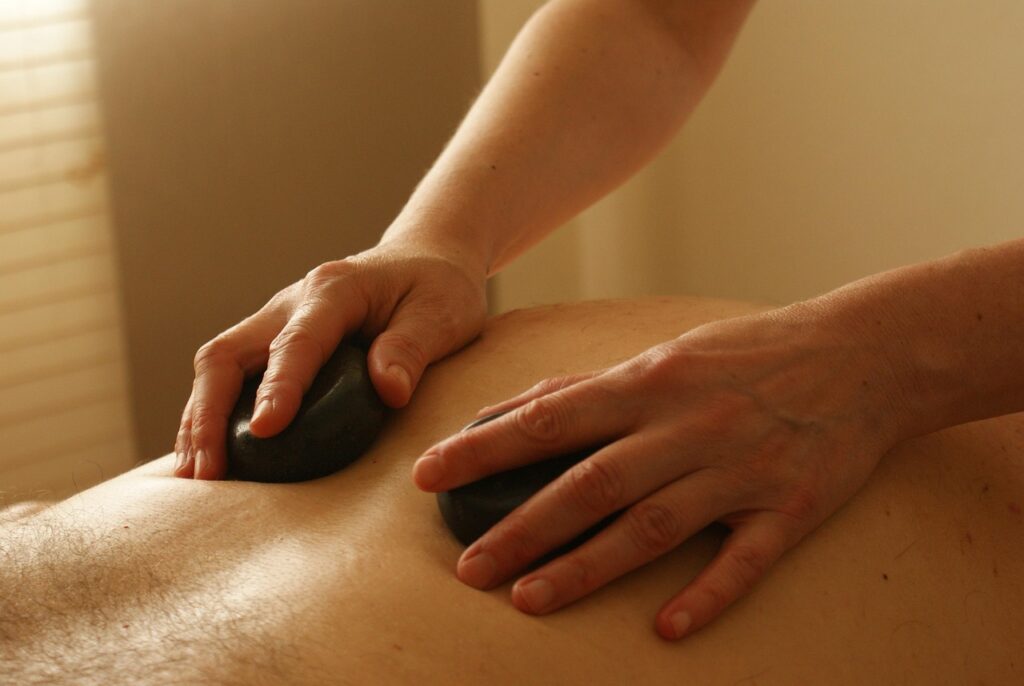
Why Post-Workout Recovery Matters
Training stresses the body. That stress builds muscle, burns fat, and improves performance — but only if the body can recover from it properly. When recovery is poor, the effects hit fast:
-
Soreness lingers longer
-
Strength drops
-
Workouts feel harder
-
Mobility decreases
-
Fatigue builds
-
Injuries become more likely
A massage gun helps counter this stress by improving circulation, reducing tension, and speeding up muscle repair.
How a Massage Gun Helps Post-Workout Recovery
Massage guns use percussive therapy — rapid pulses that penetrate into the muscle tissue. When used after training, these pulses deliver several powerful benefits.
1. Reduces Muscle Soreness (DOMS)
Delayed Onset Muscle Soreness (DOMS) peaks 24–72 hours after exercise. A massage gun reduces this dramatically by:
-
Stimulating circulation
-
Loosening tight muscle fibres
-
Breaking up lactate buildup
-
Helping muscles return to their natural resting length
Regular use can reduce next-day soreness significantly.
2. Improves Blood Flow and Nutrient Delivery
Better blood flow = faster recovery. Percussive therapy brings oxygen and nutrients to tired muscles and speeds up the removal of metabolic waste.
3. Enhances Mobility and Range of Motion
Tight muscles restrict movement, making your next session feel heavy and stiff. Using a massage gun after training helps restore flexibility, especially in:
-
Hip flexors
-
Hamstrings
-
Chest
-
Shoulders
-
Glutes
-
Calves
4. Helps Remove Metabolic Waste
Hard training builds up by-products in the muscles. A massage gun accelerates the clearing process by stimulating lymphatic flow.
5. Prevents Overuse Injuries
By keeping muscles supple and relaxed, you reduce strain on joints and tendons — essential for runners, lifters, and athletes who train frequently.
6. Speeds Up Warm-Up for the Next Session
Looser muscles = better performance in your next workout. A massage gun helps reset the body between sessions.
What Makes a Massage Gun Good for Post-Workout Recovery
Recovery sessions differ from general relaxation — they require depth, control, and the right attachments. Here’s what to look for.
1. Strong Motor + High Stall Force
Athletic recovery often needs deeper penetration into large muscles. A good post-workout gun should have:
-
A high stall force (won’t stop when pressure is applied)
-
Enough power to dig into quads, glutes, and hamstrings
You don’t need the most powerful device on the market — just one that won’t stall easily.
2. Good Amplitude (Stroke Depth)
Amplitude is how far the massage head travels with each strike. Ideal range:
-
10–14 mm for deep muscle treatment
-
Lower than 10mm often feels more like vibration than percussion
Higher amplitude = more effective for big post-workout muscles.
3. Multiple Speed Settings
Recovery needs flexibility:
-
Low speeds for mobility work
-
Medium speeds for general recovery
-
Higher speeds for very tight muscles
Three to six speeds is perfect.
4. Durable, Ergonomic Design
Post-workout sessions can last several minutes per muscle group. You need:
-
Comfortable grip
-
Well-balanced weight
-
Quiet operation
-
Sturdy build that won’t rattle under pressure
This makes longer recovery routines easier.
5. Useful Attachments
The right attachments make a huge difference:
-
Ball head: All-rounder for large muscles
-
Flat head: Perfect for quads and chest
-
Fork head: Great for calves and Achilles region (avoiding the tendon)
-
Bullet head: Spot-targeting knots and trigger points
For recovery, the ball and flat heads are the most used.
6. Good Battery Life
You want a device that can handle weekly sessions without constant charging. Long battery life also supports travel and gym sessions.
Best Types of Massage Guns for Post-Workout Recovery
Instead of naming brands, here are the categories to target for buyers — each one hits different needs and budgets.
1. The All-Rounder Recovery Massage Gun
This is the most popular style.
Why it’s ideal:
-
Solid power
-
Strong amplitude
-
Comfortable, ergonomic
-
Perfect balance of features and price
Best for:
Anyone who trains several times a week and wants a reliable, versatile recovery tool.
2. The High-Power Deep Tissue Massage Gun
This style is built for athletes who train hard and heavy.
Why it’s ideal:
-
Deep penetration
-
Higher stall force
-
Great for glutes, quads, hamstrings, upper back
-
Effective on stubborn tension
Best for:
Weightlifters, CrossFit athletes, runners with deep tightness, and people with dense muscle tissue.
3. The Portable Mini Recovery Gun
Surprisingly powerful for the size, perfect for fit people on the go.
Why it’s ideal:
-
Small enough to carry in a gym bag
-
Great for calves, shoulders, forearms
-
Fast warm-ups and cooldowns
Best for:
Office workers who train, travelers, and anyone who wants convenience.
4. The Quiet Recovery Massage Gun
Perfect for late-night or early-morning sessions.
Why it’s ideal:
-
Smooth, low-noise motor
-
Great for relaxation after a workout
-
Helps cool the nervous system
Best for:
People who live with partners, shared households, or prefer soft, quiet recovery.
How to Use a Massage Gun for Post-Workout Recovery
Using it properly is just as important as choosing the right device. Here’s the ultimate routine.
Post-Workout Recovery Routine (Step-By-Step)
Step 1 — Start on Low Speed (10–20 seconds per area)
Warm up each muscle group lightly:
-
Quads
-
Hamstrings
-
Glutes
-
Calves
-
Chest
-
Shoulders
-
Back
Don’t dive into deep pressure immediately.
Step 2 — Increase Intensity for Large Muscles (30–60 seconds each)
Quads
Sweep slowly along the front and sides.
Hamstrings
Glide from just above the knee up to the glute fold.
Glutes
Circular motions across the entire muscle.
Calves
Slow upward strokes — avoid using too much pressure on the Achilles tendon.
Step 3 — Target Tight Areas (15–20 seconds each)
Use the bullet or flat head lightly.
Good for:
-
Hip flexors
-
IT band (but only very gently)
-
Rear delts
-
Upper trapezius knots
-
Lower back muscles (avoid the spine)
Step 4 — Mobility Enhancement (Optional, 20–30 seconds each)
Use slower strokes to:
-
Loosen hip rotation
-
Free up the chest
-
Improve shoulder movement
-
Lower tension in tight thoracic muscles
This helps restore your full range of motion.
Step 5 — Finish With Light Flushing Strokes (10–20 seconds)
Use low speed again, gliding from limb toward heart.
This improves circulation and recovery.
When to Use a Massage Gun for Best Results
After workouts
Ideal window: 10–20 minutes after training.
Before workouts
Use briefly to activate muscles (20–30 seconds per group).
On rest days
Helps reduce stiffness and speed up recovery.
Before bed
Light sessions improve relaxation and sleep quality — important for recovery.
How Often Should You Use It?
For active people:
-
4–6 times per week for recovery
-
2–3 times per week for deep muscle maintenance
-
Daily light sessions for mobility or tightness
You don’t need long sessions — 5–10 minutes is enough.
Common Mistakes to Avoid
-
Using too much pressure right after a tough workout
-
Holding the gun still on one spot too long
-
Using high speeds on small or sensitive muscles
-
Pressing directly on joints or bony areas
-
Using the bullet head on tight muscles without warming up
-
Treating the IT band directly instead of surrounding muscles
Recovery should feel good — not painful or aggressive.
Who Will Benefit Most From a Post-Workout Massage Gun?
A massage gun is ideal for:
-
Weightlifters
-
Runners
-
Cyclists
-
CrossFit / HIIT athletes
-
Boxers and MMA athletes
-
People with active jobs
-
Anyone who feels stiff after training
-
Anyone who wants faster progress and fewer aches
If you train regularly, a massage gun becomes one of the best tools you can own.
Final Thoughts
The best massage gun for post-workout recovery is one that:
-
Has enough power to reach deep muscles
-
Offers multiple speed settings
-
Comes with useful attachments
-
Feels comfortable to hold
-
Runs smoothly and quietly
-
Fits your training style and weekly workload
Used correctly, a massage gun speeds up recovery, improves mobility, reduces soreness, and helps you hit your next workout feeling fresher and ready to perform.