If you’re going to invest in a massage gun, you might as well get one that can do everything – not just quads after leg day or the odd knot in your shoulder. The best massage gun for full body use should be able to move comfortably from feet to neck, from deep-tissue leg work to gentle neck and shoulder relaxation, all without feeling awkward, too aggressive, or underpowered.
This guide breaks down exactly what to look for in a true full-body massage gun, how to use it from head to toe, and how to get the most recovery, pain relief, and relaxation out of a single device.
No fluff, no hype – just clear, practical buyer and usage advice.
Click here to check out the best full body massage guns…
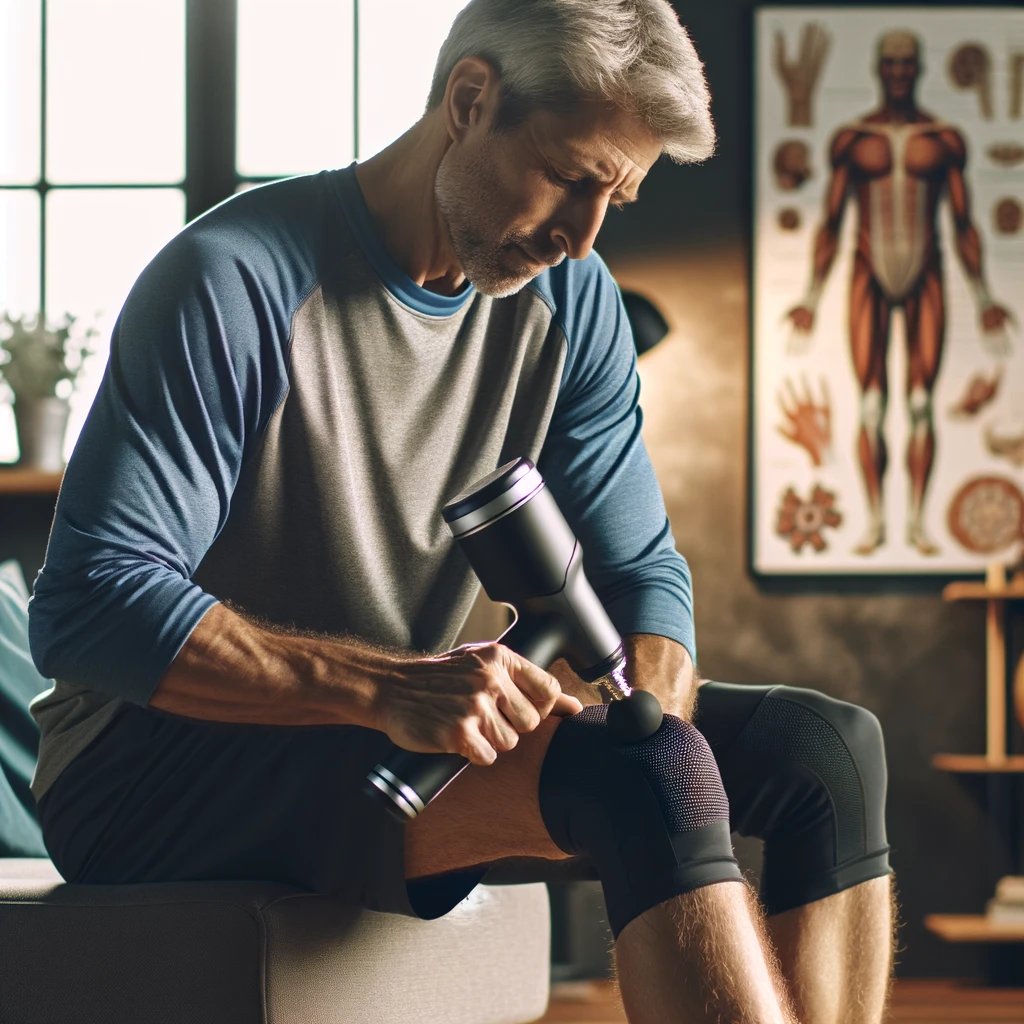
What “Full Body Use” Really Means
Lots of massage guns claim to be “full body,” but in reality:
-
Some are too big and powerful for the neck, forearms, and feet
-
Some are too weak for glutes, hamstrings, and deep hip muscles
-
Some are fine for big muscles but awkward to use on hard-to-reach areas
A true full-body massage gun should:
-
Handle large muscles (quads, glutes, hamstrings, back)
-
Work comfortably on smaller or sensitive areas (neck, forearms, calves, feet)
-
Be easy to manoeuvre around the upper back and shoulders
-
Offer gentle options and stronger settings in one device
So you’re not buying a “leg gun” and a “neck gun” – you’re buying one tool that can cover it all.
Key Features of the Best Full-Body Massage Gun
If you’re buying with whole-body use in mind, these features matter more than anything else.
1. Wide Range of Speeds (Gentle to Strong)
For full-body use, you need:
-
Low speeds for neck, shoulders, forearms, and feet
-
Medium speeds for everyday recovery on most muscles
-
Higher speeds for deep work on glutes, hamstrings, and quads
A gun with a good spread of speeds (not just “low/medium/high” with tiny differences) lets you dial in intensity for each area.
2. Medium-to-High Amplitude (Stroke Depth)
Amplitude is how far the head moves with each stroke.
For full-body coverage, a sweet spot is usually:
-
Around 10–12 mm amplitude
This gives enough depth for big muscles without being too brutal on smaller ones. Extra-deep guns can be overkill for daily use, while tiny-amplitude mini guns can be too weak for hips and glutes.
3. Strong but Smooth Motor
You need:
-
Enough power so it doesn’t stall easily on large muscle groups
-
A smooth feel that doesn’t feel “choppy” or rattly on bony areas
-
Stable performance across all speeds
This combination means you can use it comfortably on both big and small muscles.
4. Versatile Attachments for Different Body Parts
For full-body use, the attachments really matter. The best kits will include:
-
Large ball head – for quads, hamstrings, glutes, and lats
-
Standard ball head – all-rounder for most muscle groups
-
Flat head – great for chest, quads, and tight, broad muscles
-
Fork head – for calves and along the sides of the spine (never on the spine itself)
-
Soft or cushioned head – for sensitive areas like neck, shoulders, and feet
-
Small bullet head – for very specific, deep trigger points (used sparingly)
With these heads, one device can comfortably treat everything from thick glutes to tight forearms.
5. Ergonomic Design and Reach
Full-body use means you’ll be twisting and reaching around your body. The gun should:
-
Sit comfortably in your hand
-
Have a handle that’s easy to grip without wrist strain
-
Feel balanced enough that you can reach mid-back and shoulders without fighting it
Angled or slightly longer handles can be a big plus for self-treatment of the upper back.
6. Quiet Operation
A full-body session can easily last 10–15 minutes. If the gun sounds like a drill, you won’t want to stick with it.
Look for:
-
A low, steady hum rather than a harsh buzz
-
Minimal vibration transferred into the handle
This makes regular use far more enjoyable, especially in the evening.
7. Good Battery Life
If you’re using it on multiple muscle groups regularly, battery life matters. A solid full-body massage gun should:
-
Handle several full sessions on a single charge
-
Not noticeably weaken halfway through a routine
You don’t need huge numbers; you just want reliability.
8. Simple, Intuitive Controls
For something you’ll use daily on different areas, you don’t want:
-
Overcomplicated touchscreen controls
-
Tiny buttons you can’t press with one hand
-
Menus buried in modes you never use
Up/down speed buttons and a clear display are often more than enough.
Who Needs a Full-Body Massage Gun?
A full-body gun is perfect if you:
-
Train regularly (weights, running, cycling, sports) and want whole-body recovery
-
Sit at a desk and also get tight lower back, hip, and neck muscles
-
Have a physically demanding job and feel sore in multiple areas
-
Share the device with a partner or family who all have different needs
-
Want one high-quality device instead of a drawer full of little gadgets
If you’re going to use it on more than one or two areas, it’s worth buying for full-body coverage from the start.
How to Use a Massage Gun for Full Body Recovery
Here’s a practical full-body routine you (or your readers) can follow. You don’t have to use it all at once – you can pick and choose – but this shows how a single device can cover everything.
General Guidelines
-
Start with low speed, then build slowly if needed
-
Keep the gun moving; don’t hold it on one spot for too long
-
Avoid direct pressure on joints and bones
-
30–60 seconds per muscle group is usually enough
-
Total session time: 10–15 minutes is perfect for most people
1. Feet and Calves
Attachment: Soft ball or small round head
Speed: Low
-
Start at the sole of the foot (if not too sensitive) with gentle strokes
-
Move to the calf, sweeping upward from ankle to knee
-
Use light pressure and slow movement
This helps with circulation and reduces lower-leg fatigue.
2. Quads (Front Thighs)
Attachment: Ball or flat head
Speed: Medium
-
Sweep from just above the knee up towards the hip
-
Cover the middle and outer parts of the thigh
-
Move slowly, about a few centimetres per second
Great after squats, lunges, running, or cycling.
3. Hamstrings (Back of Thighs)
Attachment: Ball head
Speed: Medium
-
Sit on a chair or edge of a bed
-
Glide from just above the knee crease up towards the glute
-
Avoid pressing on the back of the knee itself
Helps relieve post-leg-day soreness and stiffness.
4. Glutes and Hips
Attachment: Ball head
Speed: Medium
-
Stand or lie on your side
-
Use circular motions across the whole glute area
-
Pace yourself – this area can be tender but responds very well
Improves hip mobility and helps lower back discomfort indirectly.
5. Lower Back
Attachment: Ball head
Speed: Low to medium
-
Work the muscles either side of the spine – never on the spine itself
-
Short, vertical or circular strokes
-
Keep pressure moderate
If you’re unsure about back issues, go very gently and avoid any area that feels “wrong.”
6. Upper Back and Lats
Attachment: Ball or flat head
Speed: Medium
-
Bite the gun handle with both hands if needed to reach
-
Work across the shoulder blade area and along the side of the upper back
-
Use slow strokes from under the armpit area down towards the mid-back
This is excellent for lifters, swimmers, and desk workers.
7. Chest
Attachment: Flat or soft head
Speed: Low
-
Sweep across the chest from centre outwards
-
Avoid the sternum and collarbone directly
-
This can help open up tight chest muscles that pull shoulders forward
Great if you sit at a computer or bench press a lot.
8. Shoulders and Traps
Attachment: Soft ball head
Speed: Low to medium
-
Reach over the shoulder and place the head on the meaty area between neck and shoulder (upper trapezius)
-
Use small circular motions or short strokes
-
Avoid pressing directly into the joint or bony areas
Helps with stress tension and neck stiffness.
9. Arms and Forearms
Attachment: Small ball or flat head
Speed: Low
-
Biceps: sweep from elbow towards the shoulder
-
Triceps: sweep from elbow towards upper arm
-
Forearms: glide gently along the top and underside
Helpful for people who type, lift, or do manual work.
10. Neck (Back Only, with Caution)
Attachment: Soft ball head
Speed: Lowest setting
-
Work only on the back of the neck, just above the shoulders
-
Avoid the front and sides of the neck
-
Light, gliding strokes only
If your neck is sensitive or you’re unsure, skip direct neck work and focus on traps and upper back instead.
How Often Should You Use a Full-Body Massage Gun?
For most people:
-
After workouts: 5–10 minutes on key muscle groups
-
On rest days: 5–10 minutes for general stiffness and mobility
-
After long days at work: Focus on legs, hips, shoulders, and back
-
Before bed: Light, low-speed work to relax and improve sleep
You don’t need marathon sessions. Short, regular use beats occasional long blasts every time.
Common Mistakes People Make
Even with the best full-body massage gun, these errors can ruin the experience:
-
Using the highest speed on sensitive areas
-
Pressing too hard, especially on neck, forearms, and around joints
-
Staying on one spot for 30+ seconds
-
Using a bullet head everywhere instead of only on specific knots
-
Working directly on bones or joints instead of surrounding muscles
-
Treating pain as a sign you’re “doing it right”
It should feel intense but good, not like you’re fighting the device.
Final Thoughts
The best massage gun for full body use in 2025 isn’t just strong or expensive – it’s versatile:
-
Gentle enough for neck, shoulders, and feet
-
Strong enough for quads, hamstrings, glutes, and back
-
Comfortable and ergonomic for self-use
-
Quiet enough to actually enjoy using
-
Equipped with attachments that let you treat every major muscle group
Get those fundamentals right, and one good massage gun can replace multiple gadgets and help you recover faster, move better, and feel more relaxed from head to toe.